Choosing the right scissor lift goes beyond working height alone. Factors such as load capacity and platform size also play a critical role in safety, efficiency, and overall performance on a job site. For sites under construction, understanding how weight limits and platform dimensions interact helps every construction worker operate confidently while avoiding costly mistakes or delays.
Let's dive into some of the different factors you should consider when choosing the right scissor lift for your project. Let us begin!
How Load Capacity Is Calculated on a Scissor Lift
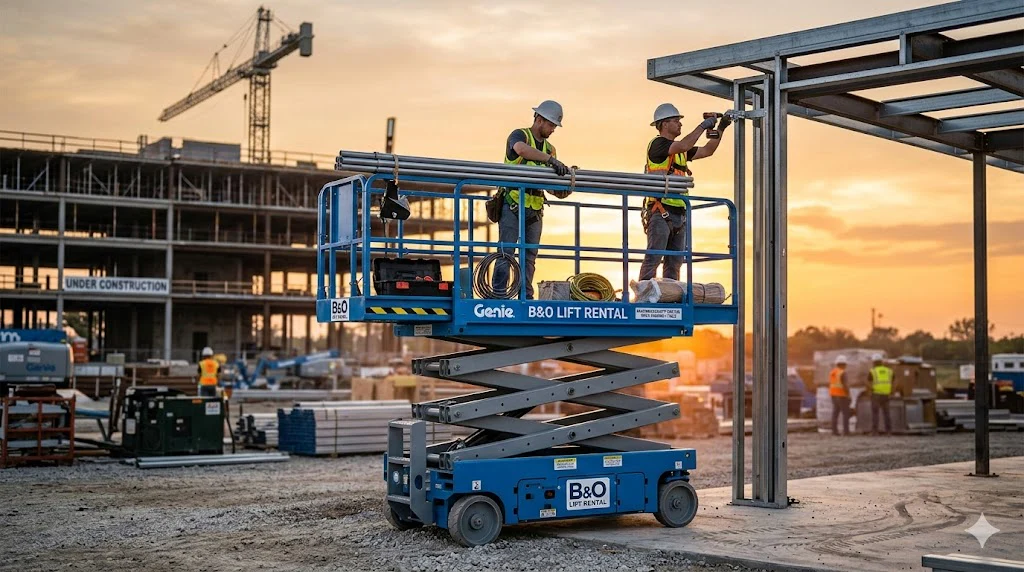
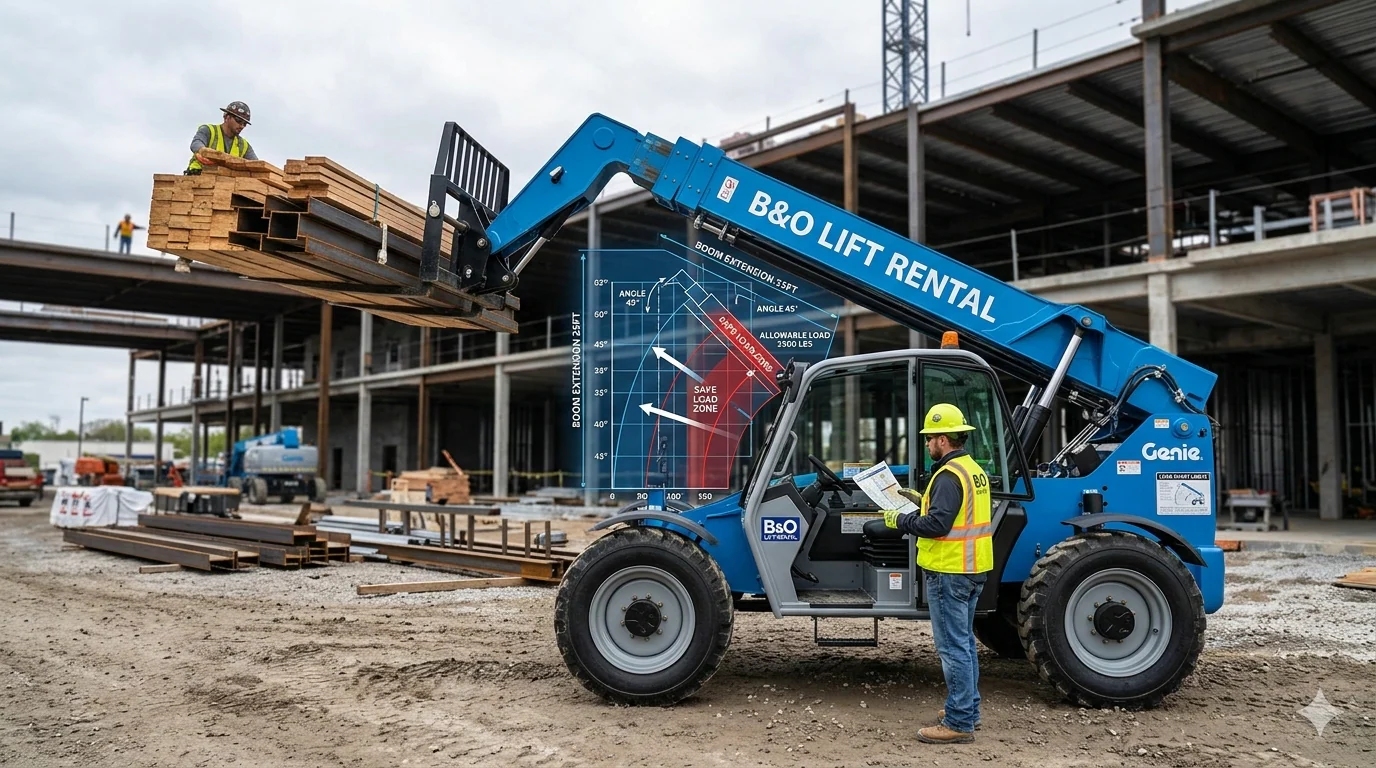
First up, load capacity. Load capacity refers to the maximum weight a scissor lift platform can safely support. The operative word here is 'safely'. This is determined by the manufacturer based on the lift's structural design, hydraulic system, and stability limits. According to industry specifications, most construction-grade scissor lifts have rated platform capacities ranging from approximately 500 lbs to 2,500 lbs, depending on the model and intended application.
Capacity calculations must account for personnel, tools, materials, and any accessories placed on the platform. Ignoring these limits can compromise lift stability and increase the risk of equipment failure, especially on active construction sites. So, you know, please don't ignore them.
H3.1.1: Rated Capacity vs Actual Working Load on a Scissor Lift
H3.1.2: How Tools and Materials Affect Load Distribution
Platform Size and Its Impact on Stability
Now, let's talk about platform size. This determines usable workspace, but also influences how a scissor lift behaves when elevated. Standard scissor lift platforms vary by model, but many common construction lifts offer platform lengths between 6 and 10 feet, with optional extensions increasing reach without moving the base.
So, keep in mind that while larger platforms improve productivity, they require greater attention to balance and movement to maintain stability. Let's go over some other factors to be mindful of:
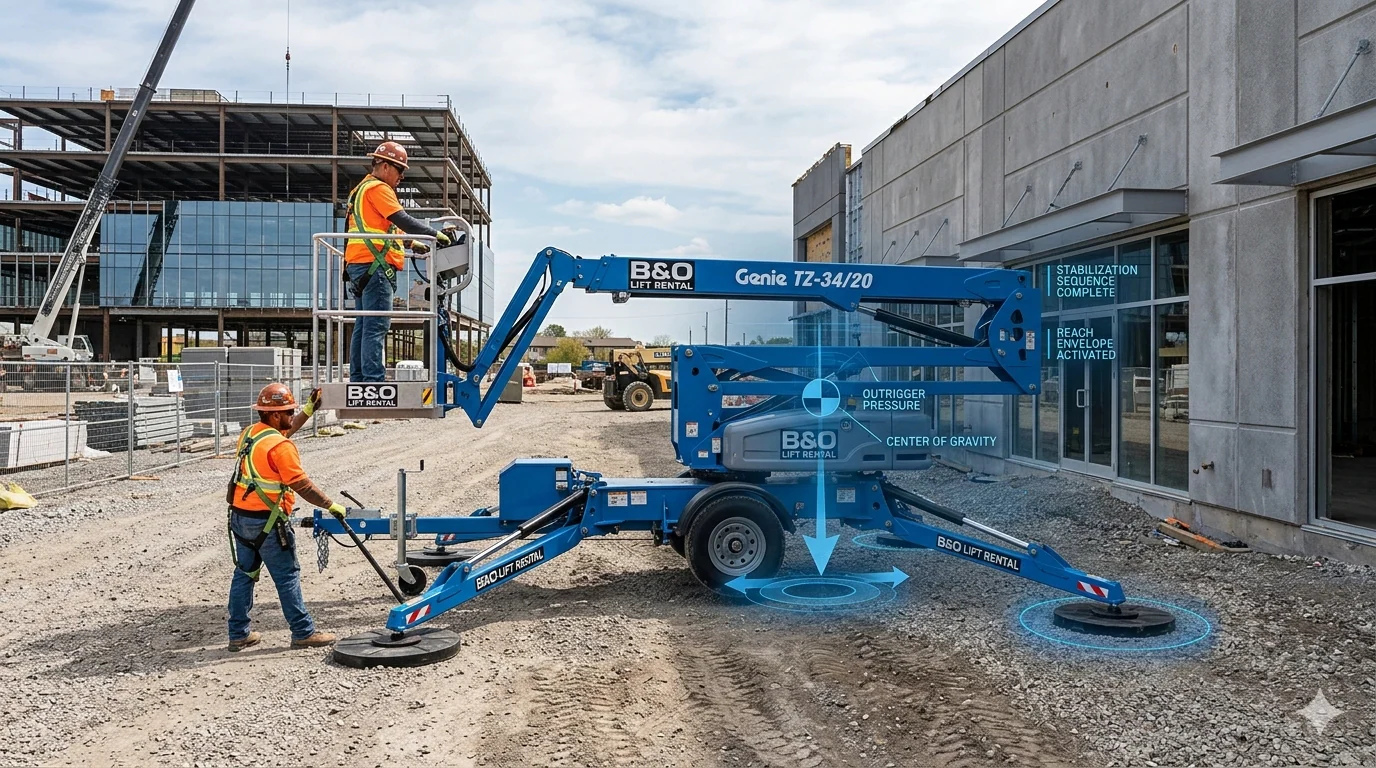
H3.2.1: Center of Gravity Changes with Larger Platforms
H3.2.2: Platform Extension Limits on a Scissor Lift
Common Capacity Mistakes Contractors Make
Even experienced contractors can overlook capacity-related details, especially when timelines are tight. These mistakes often stem from underestimating how quickly load limits are reached.
Let's review common errors you would do well to recognize to help teams protect workers, equipment, and project schedules.
H3.3.1: Overloading with Materials Instead of Personnel
H3.3.2: Ignoring Dynamic Load Shifts During Elevation
Rent the Right Scissor Lift for Your Project at B&O Lift Rental
Choosing the right scissor lift means matching factors such as platform size, load capacity, and working height to the specific demands of your project. Fortunately, at B&O Lift Rental, we help contractors choose equipment that supports safe operation, efficient workflows, and dependable performance on active construction sites.
Whether your project is just getting started or well under construction, our team is ready to help you rent a scissor lift that fits your needs and keeps your crew working safely at height. Get in touch and let's get to work!